Sustainable Solutions: How E-Waste Recycling Services Are Saving Our Planet
Electronic waste presents serious dangers to the environment, as abandoned electronic devices commonly carry harmful materials. These toxic materials have the potential to taint soil and water sources, causing extensive damage to surrounding ecosystems. E-waste recycling initiatives provide a practical answer. They successfully retrieve useful resources while simultaneously minimizing environmental pollution. Understanding how these services operate and their impact on communities is essential. Pursuing efficient e-waste management brings forth pressing questions regarding individual duties and shared responsibility. What actions should be considered going forward?
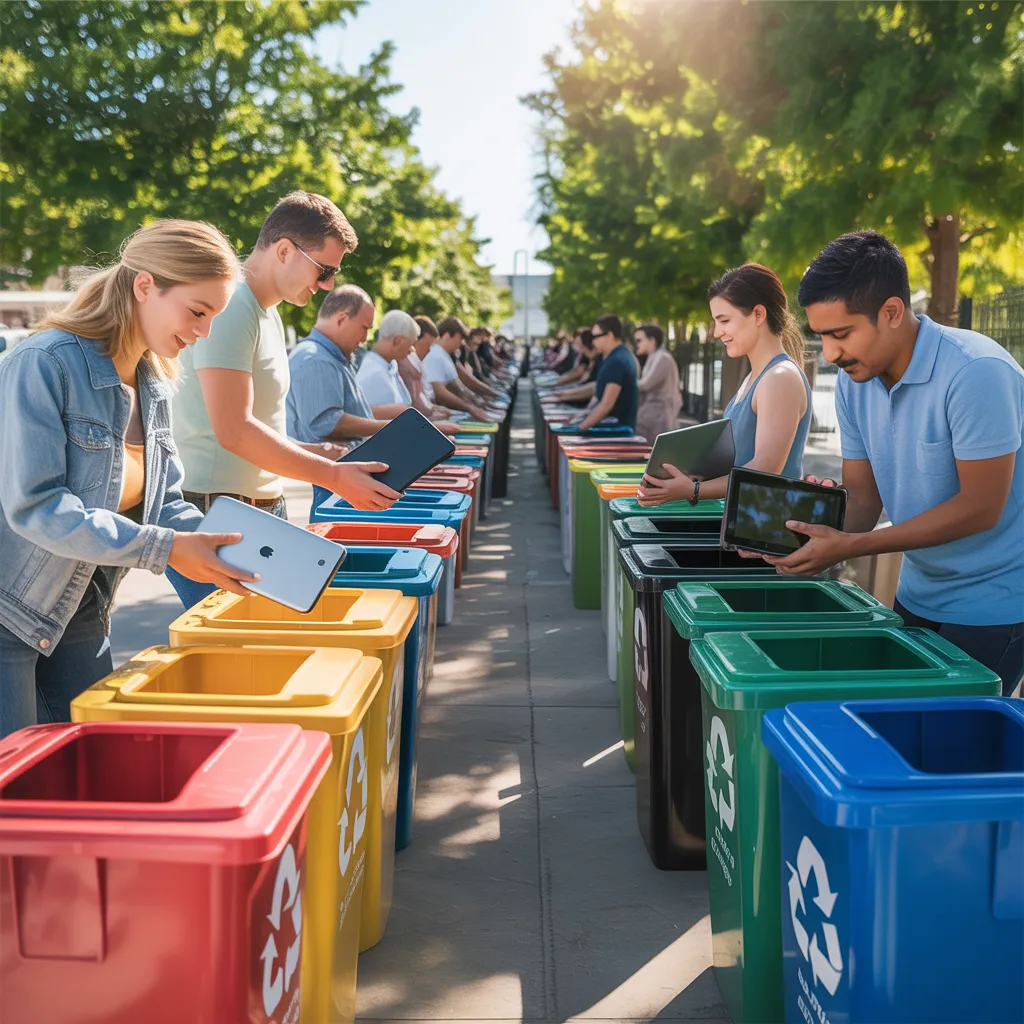
Why Electronic Waste Is Harmful to the Planet
While technology enhances contemporary living, electronic waste presents serious threats to the environment. Abandoned electronic gadgets, often containing hazardous materials such as cadmium, lead, and mercury, may release harmful substances into soil and groundwater, posing risks to both wildlife and human well-being. The accelerating rate of technological innovation results in greater consumer replacement of electronic devices, exacerbating the accumulation of discarded electronic materials.
Landfills, already burdened with waste, struggle to accommodate the growing volumes of discarded gadgets. Incineration, a common waste management technique, emits dangerous pollutants into the environment, degrading atmospheric conditions. In addition, improper recycling practices can lead to the exportation of e-waste to developing countries, where laborers may dismantle devices without adequate safety measures, exposing themselves to dangerous substances. This ongoing cycle of carelessness and inadequate management emphasizes the pressing necessity for responsible recycling initiatives that can lessen the harmful consequences of e-waste on our world.
What Is E-Waste and Its Importance?
E-waste, also referred to as electronic waste, encompasses unwanted electronic equipment like smartphones, computers, and televisions that are no longer functional or needed. This rapidly expanding waste category is noteworthy due to its rapid accumulation, fueled by innovation in technology and shifting consumer habits. As more devices become obsolete, the ecological consequences become more pronounced, with dangerous elements including lead, mercury, and cadmium threatening both ecosystems and public health.
Addressing e-waste is crucial not only for reducing these dangers but also for acknowledging the precious materials found within it. Valuable metals and rare earth materials can be extracted and repurposed, lessening the demand for mining and preserving natural resources. Through a deeper awareness of e-waste and its consequences, both individuals and organizations can make well-informed choices regarding disposal and recycling, thereby supporting a more sustainable future. Responsible management of e-waste plays a key role in supporting a circular economy and championing environmental stewardship.
How E-Waste Recycling Works
The recycling of e-waste encompasses a structured approach intended to extract beneficial components while minimizing environmental impact. Initially, electronic waste is gathered and delivered to purpose-built recycling plants. After reaching the facility, the devices undergo thorough sorting to separate hazardous components from recyclable materials.
Next, specialists deconstruct the products, separating metals, plastics, and glass. This stage is crucial, as it makes possible the retrieval of precious metals like gold, silver, and copper, which are repurposed in new electronic devices.
Afterward, the sorted materials are treated with sophisticated techniques, such as shredding and specialized chemical treatments, to prepare them for further use.
Finally, the leftover hazardous materials are disposed of responsibly, adhering to environmental guidelines. This systematic method not only conserves resources but also minimizes the hazards linked to improper e-waste disposal, ensuring a more sustainable future for electronic consumption.
The Benefits of E-Waste Recycling for You and Your Community
While many individuals may not realize it, the positive effects of e-waste recycling reach well past personal use to meaningfully influence entire communities. By responsibly disposing of electronic waste, individuals help foster a cleaner environment, reducing toxic components that can leach into soil and water. This responsible method helps preserve local ecosystems and supports public health.
Moreover, the recycling of e-waste encourages employment opportunities within local communities. Nearby recycling establishments regularly need employees for various operations, including collection and processing, consequently creating meaningful employment for community members. This not only enhances the community economy but also inspires community dedication to sustainable efforts.
Additionally, knowledge about e-waste recycling is capable of inspiring awareness campaigns, empowering residents to pursue greener alternatives. By taking part in e-waste recycling programs, individuals nurture a culture of sustainability, motivating others to follow suit. In summary, the collective impact of these actions can contribute to a more strong and environmentally aware community.
How to Pick an E-Waste Recycling Service
Picking the right electronic waste recycling provider is essential for ensuring that e-waste is handled in a responsible and sustainable manner. To begin, people should verify the provider's credentials, such as R2 or e-Stewards, which signify adherence to established benchmarks for responsible recycling methods. It is equally important to assess the provider's standing by checking reviews and obtaining advice from dependable sources.
Furthermore, clarity in the recycling process is essential. A trustworthy provider should supply straightforward details about how e-waste is processed and what becomes of the materials. Furthermore, assessing the variety of services available can be advantageous; various firms may supply retrieval services or extend benefits for recycling.
Ultimately, learning about regional rules concerning e-waste disposal may further shape the selection process. When these considerations are given priority, individuals can contribute to responsible e-waste disposal as well as promoting sustainable environmental efforts.
Ways You Can Participate in E-Waste Recycling?
Getting involved with e-waste recycling may begin at the local level, where local recycling facilities regularly supply essential services for responsible disposal. Furthermore, participating in community awareness campaigns can amplify efforts to educate others about the importance of ethical e-waste practices. These initiatives not only promote sustainability but also foster a collective sense of stewardship of the environment.
Nearby Recycling Facilities
Numerous local recycling centers serve a vital function in recycling electronic waste, giving communities practical solutions to handle electronic waste in a responsible manner. These centers accept a selection of electronic equipment, including outdated computers, mobile phones, and TVs, guaranteeing that dangerous substances are processed safely. Many hubs feature trained staff who are able to assist individuals with correct disposal techniques, underscoring the benefits of recycling compared to landfilling. Moreover, various hubs coordinate drop-off events or designated collection days, allowing residents to take part with ease. By utilizing these local services, community members advance a circular economy, reducing environmental impact and promoting Read the guide sustainable practices. Engaging with these centers allows communities to address e-waste pollution proactively.
Community Awareness Campaigns
Nearby organizations, schools, and enterprises can collaborate to host events that promote e-waste collection drives. Dedicated participants can take a leading part in raising awareness, sharing informational resources, and connecting with local residents. Through these collective efforts, local inhabitants gain greater awareness and encouragement to properly recycle their e-waste, ultimately contributing to a more sustainable future.
Answers to Your Most Common Questions
What Electronic Devices Are Eligible for Recycling?
Many different electronics may be recycled, including laptops, televisions, smartphones, printers, computers, and gaming consoles. Furthermore, peripherals such as batteries, keyboards, and mice are equally appropriate for recycling, promoting environmental conservation efforts.
Do Any Costs Come With E-Waste Recycling?
Yes, e-waste recycling may involve costs, based on the facility. Some service centers charge fees for collection or processing, while others offer free services, frequently supported by the proceeds from salvaged materials.
How Do Businesses Gain From E-Waste Recycling?
Organizations can gain from e-waste recycling by minimizing disposal costs, improving their green reputation, meeting compliance standards, extracting valuable resources, and possibly earning income through resale, thus supporting a greener and more sustainable operational framework.
What Occurs with Data on Recycled Devices?
Details regarding repurposed devices is commonly permanently erased or eliminated during processing. This ensures sensitive information is kept safe, blocking unwanted intrusion while allowing resources to be repurposed carefully and ethically in new products.
Can I Recycle Broken Electronics?
Indeed, damaged electronics may be recycled. Several facilities process non-functioning devices, providing safe disposal and extraction of precious materials. This effort helps reduce environmental impact while encouraging responsible recycling practices to handle electrical waste responsibly.